

Rethinking the Everyday: Why Sustainable Bamboo Tissue Matters

Updated: Apr 29
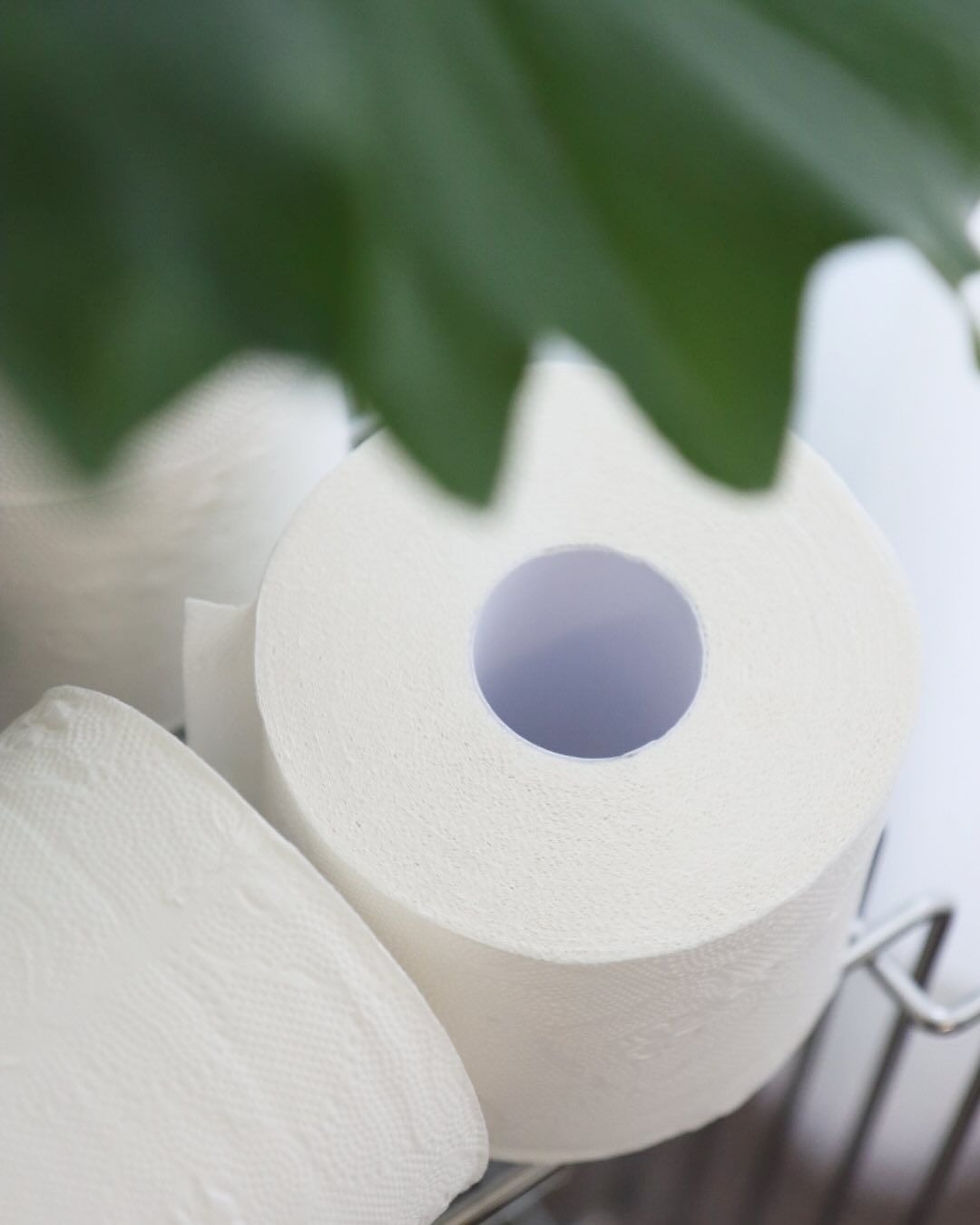
If you think about it, tissues are an integral part of your daily routine something we use without a second thought. Whether it’s at the dining table, in the car, or at home, they’re always within reach. But behind this everyday convenience lies an environmental cost that often goes unnoticed.
Most conventional tissue products are made from virgin wood pulp, which means trees are cut down at a significant rate to meet global demand. What makes this more concerning is how briefly these products are used often just for few seconds before being discarded. The production process itself is resource-intensive, involving large amounts of water, energy, and chemicals such as bleach. Over time, this creates a cycle of high consumption and environmental strain, all for a product we rarely think twice about.
As awareness around sustainability grows, many people are making conscious choices in areas like fashion, food, and packaging. However, true impact often lies in the small, everyday decisions that we overlook. This is where bamboo tissue offers a meaningful alternative.
Bamboo is one of the fastest-growing plants in the world, requiring significantly less water and no pesticides to thrive. Unlike traditional trees, it regenerates quickly after harvesting, making it a far more sustainable resource. When used in tissue production, bamboo delivers the same softness and durability people expect, but with a much lower environmental footprint.
Choosing bamboo tissue is not about compromising on quality it’s about making a smarter, more responsible choice. It is naturally biodegradable, septic friendly, and is often processed without harsh chemicals, making it safer for both people and the planet.
The shift towards sustainability doesn’t always require drastic lifestyle changes. Sometimes, it begins with rethinking the simplest habits. By switching to alternatives like bamboo tissue, individuals can reduce their environmental impact in a way that feels effortless yet meaningful.
In the end, sustainability is not about perfection it’s about awareness and intention. The products we use every day, no matter how small, have an impact. And when those small choices are made more consciously, they contribute to a larger movement towards a more sustainable future.